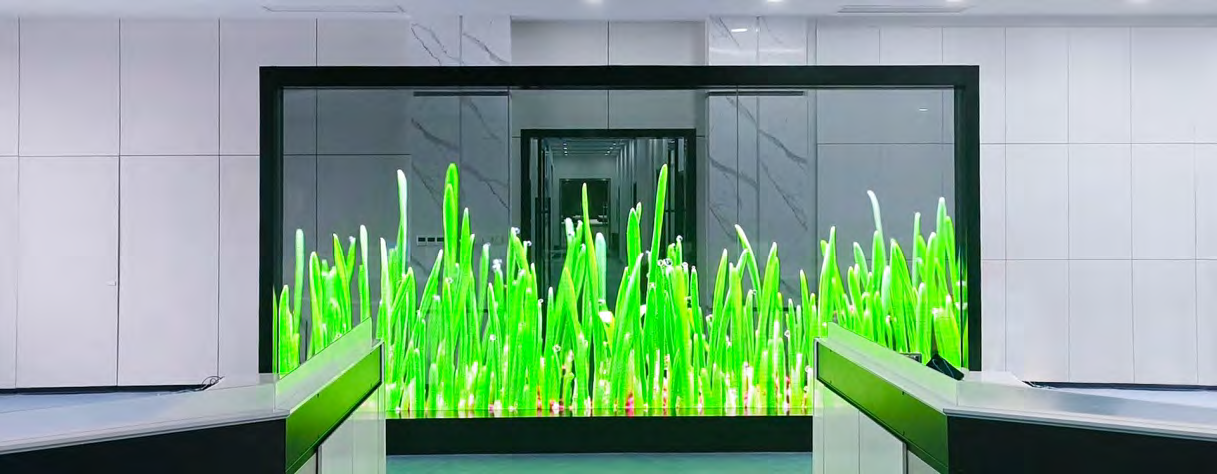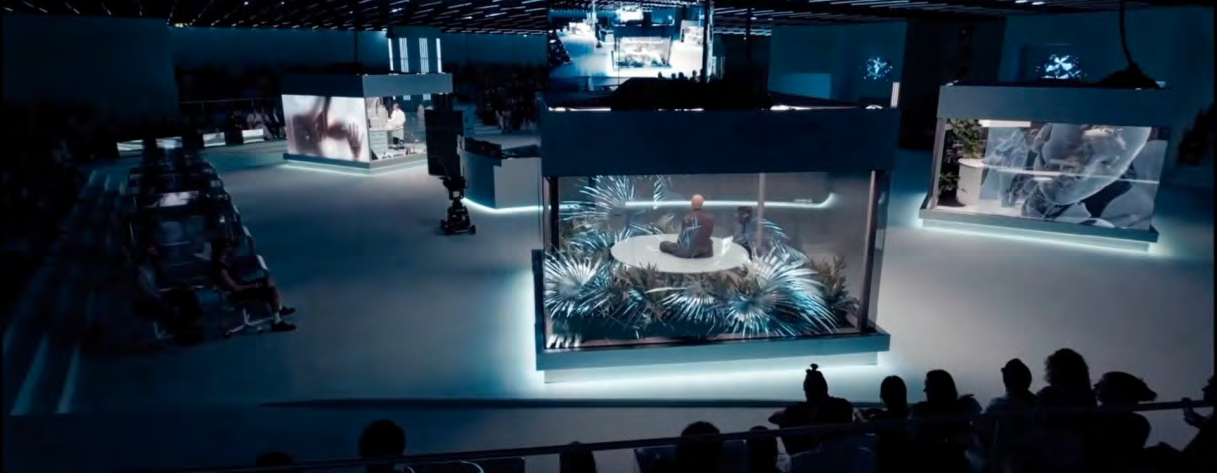
The holographic invisible screen
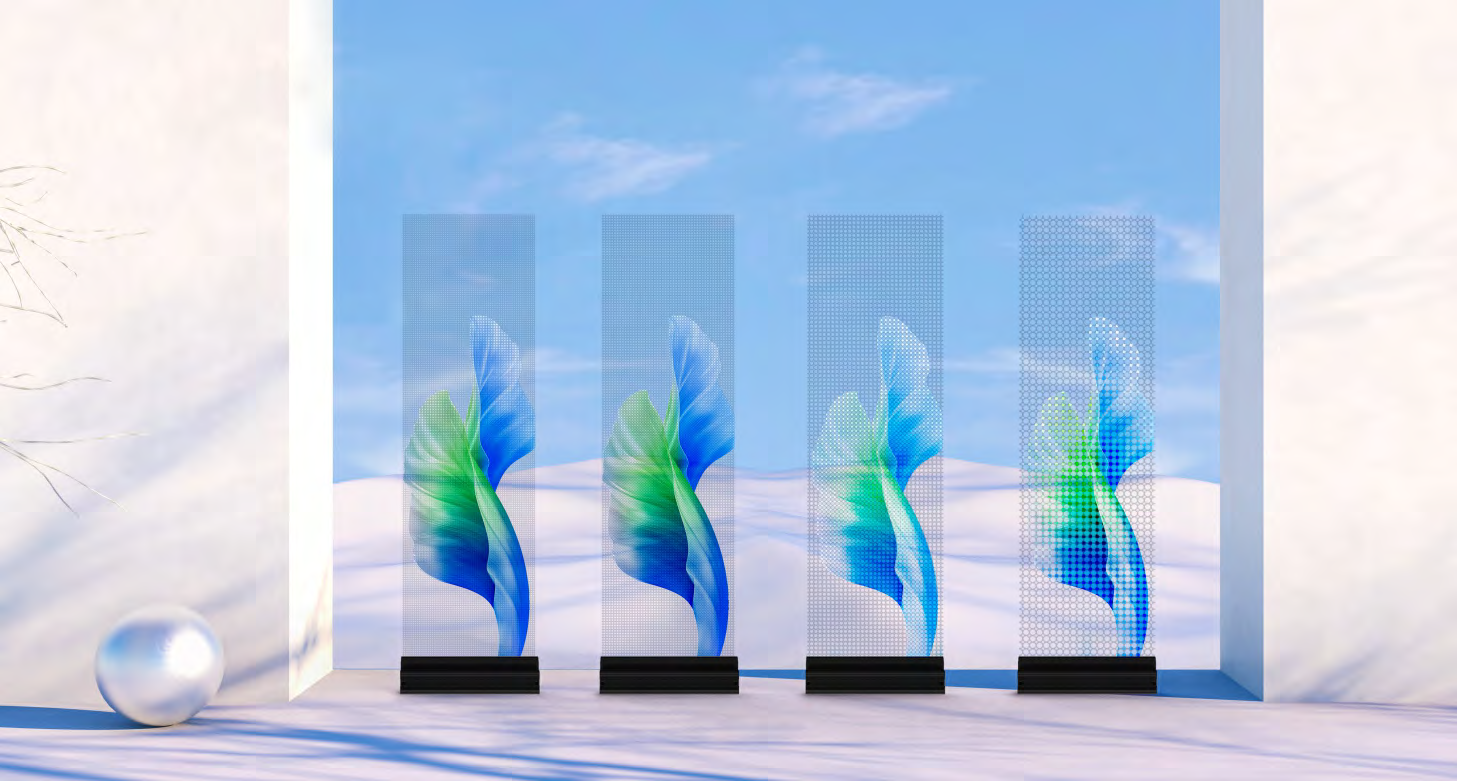
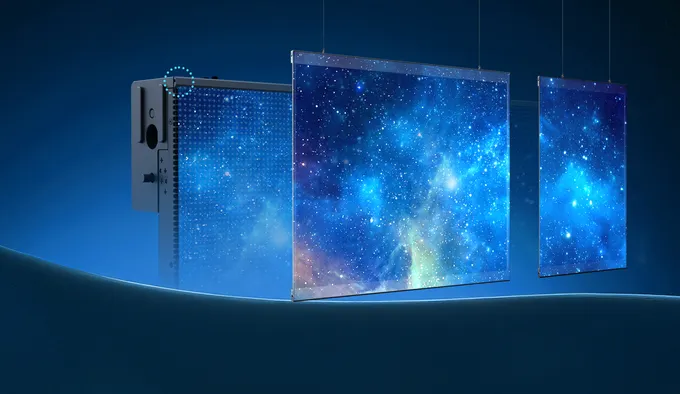
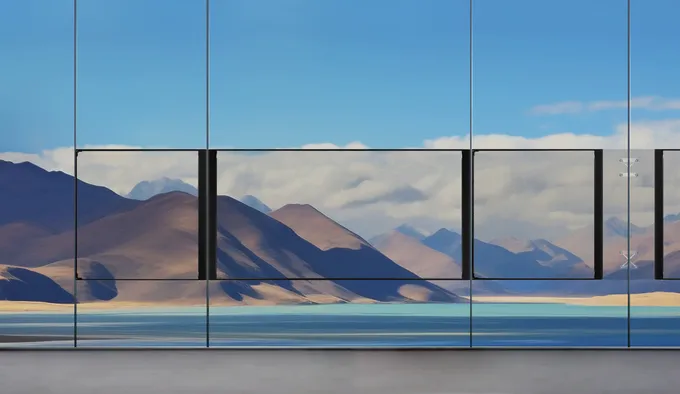
Muxwave calls it the holographic invisible screen: an indoor commercial LED display that stays transparent. The image reads as if it were floating in the room, and the surface carrying it all but disappears.
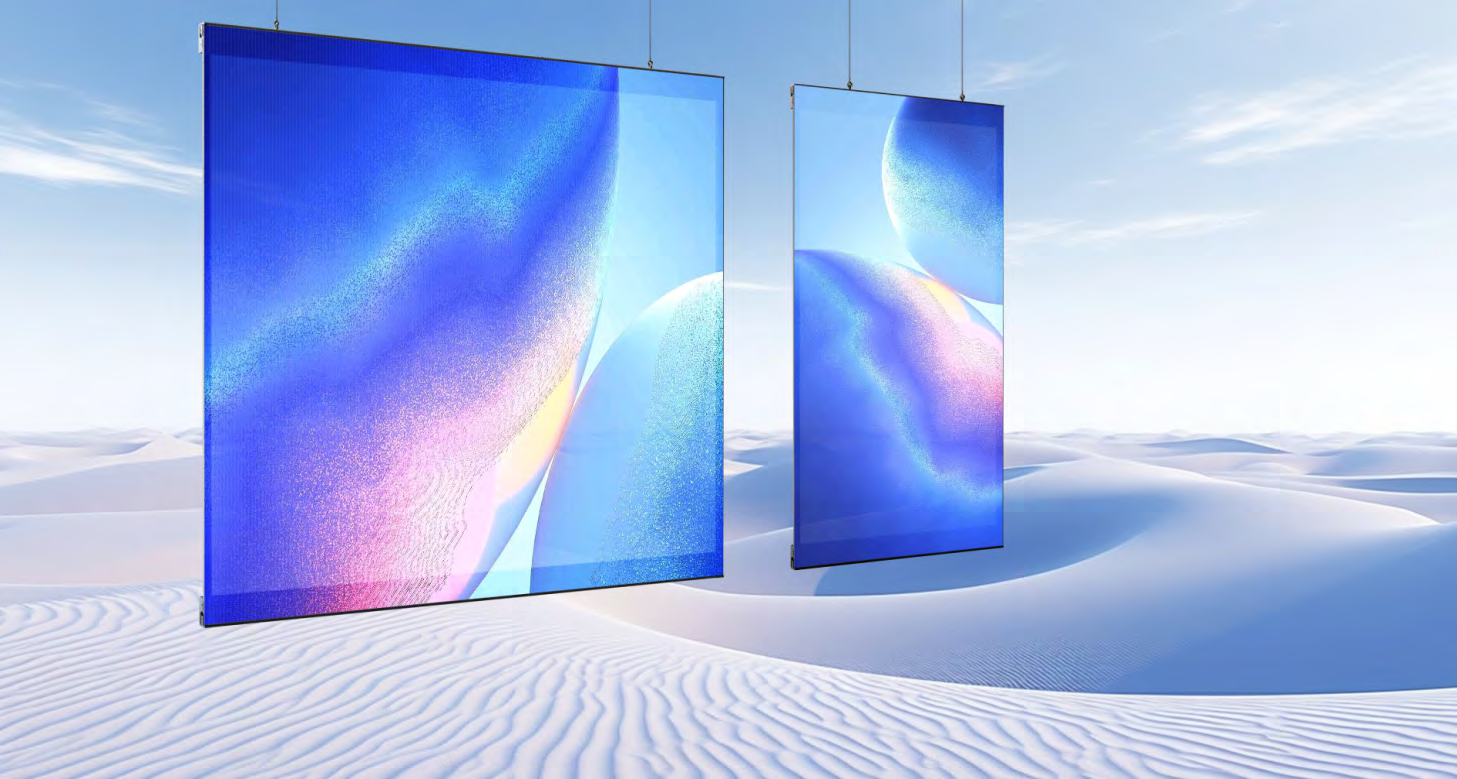
It can bond to glass you already have, hang free in an atrium, or stand on its own — the technology does not depend on a window.
Lumio Display Solutions is the Authorized U.S. Partner for Muxwave, the manufacturer behind this technology, based in Texas and standing behind every installation shown here.
The claims, and the numbers behind them
Every one of those points rests on a measurement or a physical spec. Here is what each looks like up close.
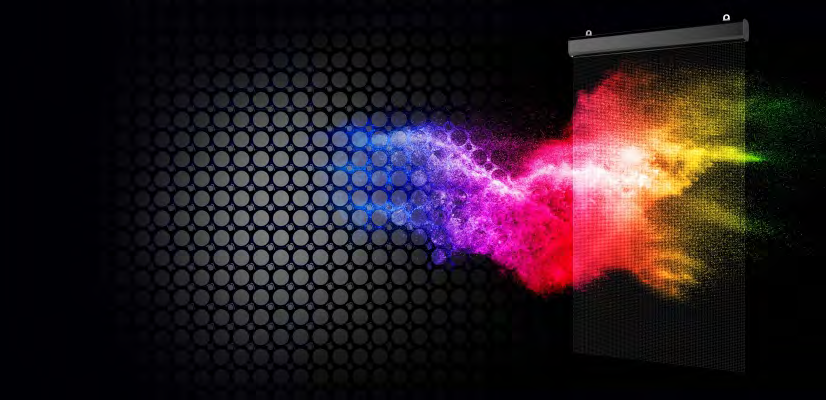
Almost nothing between the viewer and what's behind it
Photographs and video shot through the screen were compared against the same shots taken directly, using professional image-analysis software.
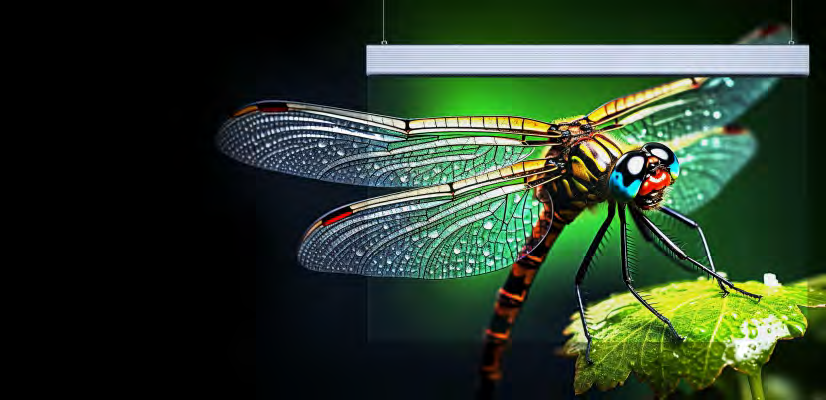
Large formats with fine join lines
A mesh-style module splices across large areas with a join line that reads as a fine seam at normal viewing distance, and the screen carries no frame around it.
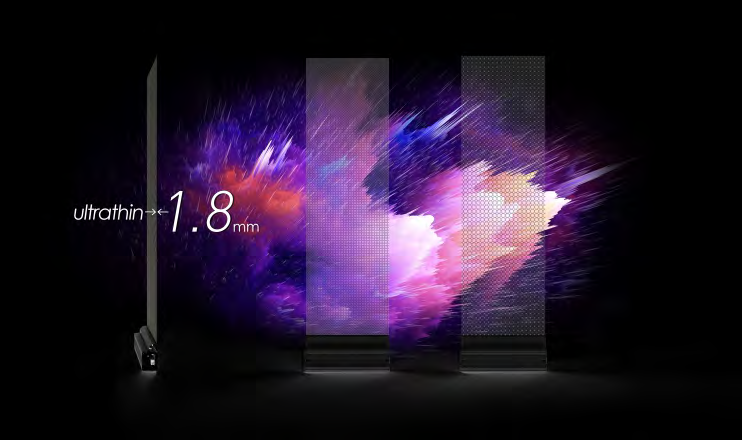
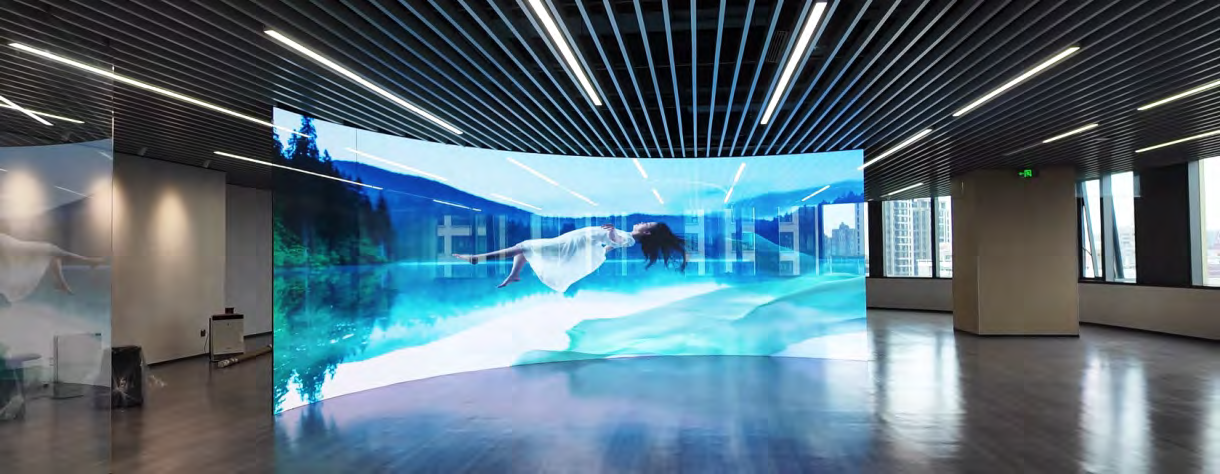
Thin enough to follow a curve
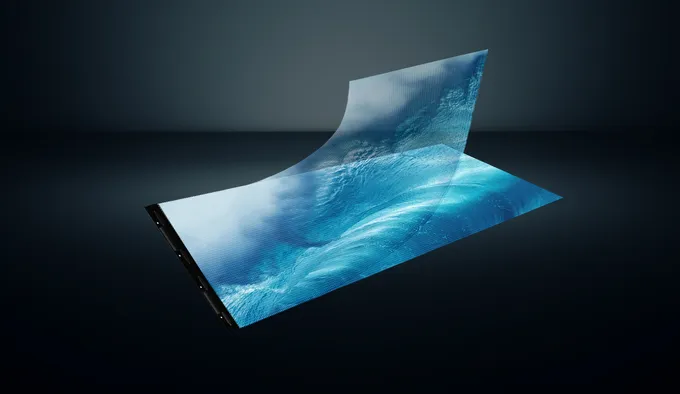
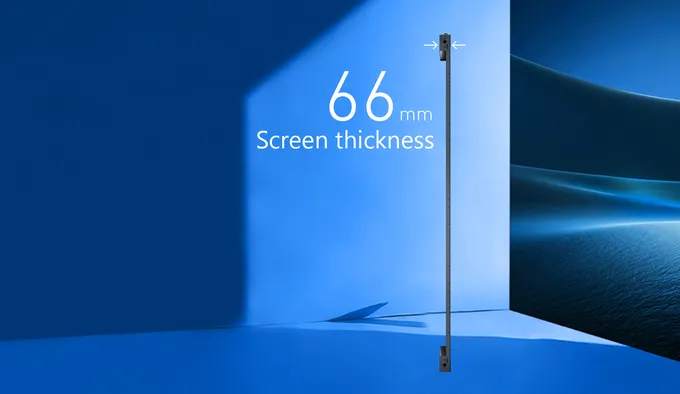
Under 2 mm thick and light enough that mounting rarely calls for structural work. The profile bends to a curved surface instead of forcing a flat one.
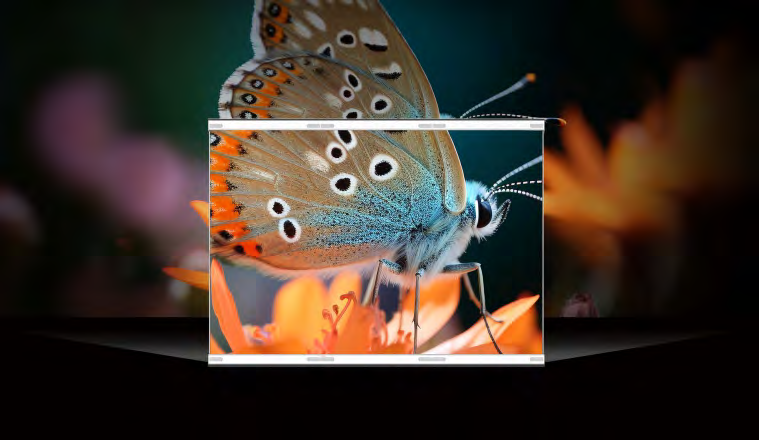
Holds up at close range
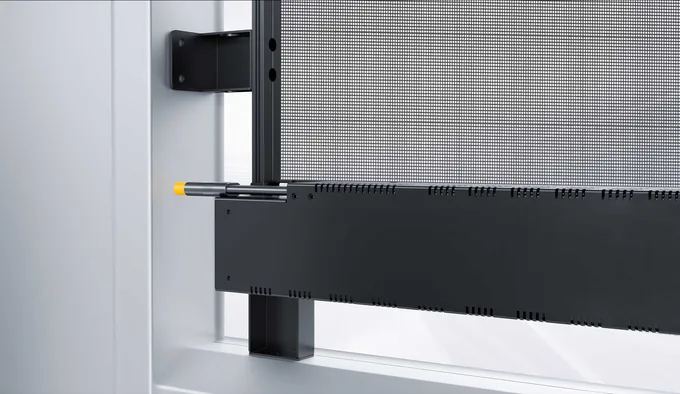
Pixels sit at equal horizontal and vertical spacing, and static driving keeps the image steady rather than scanned.
- 16-bit grayscale — smooth gradients, no banding
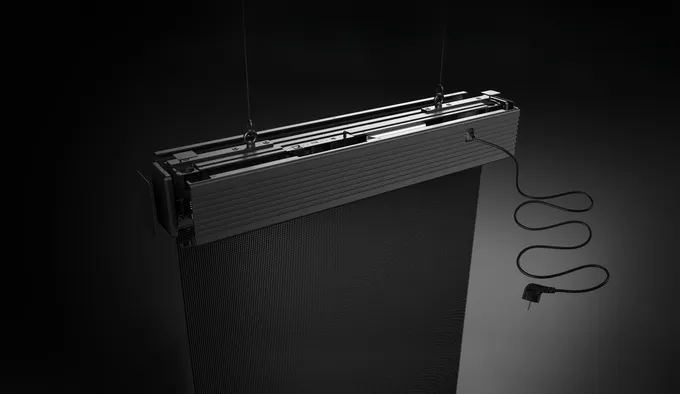
- Light board and driver integrated in one module
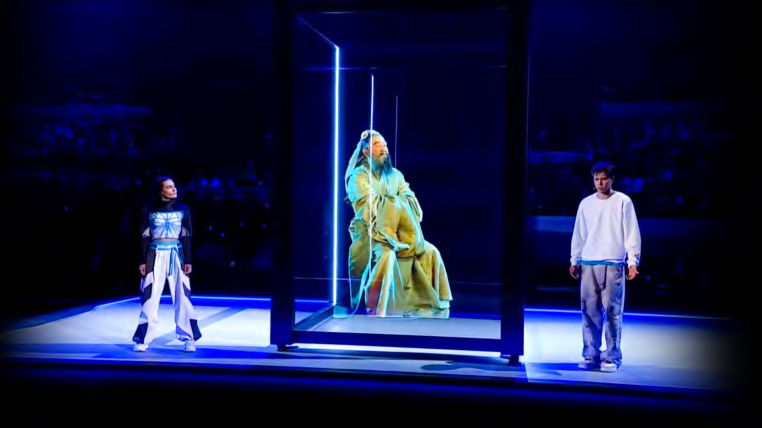
Depth without headsets
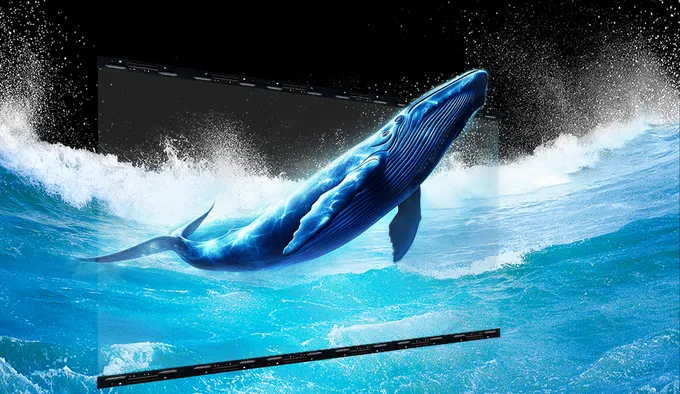
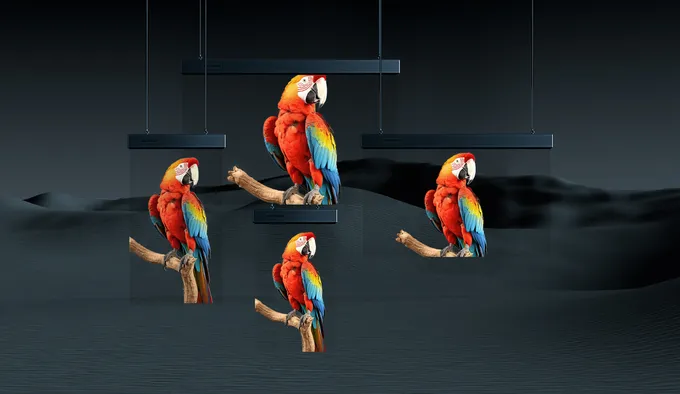
With no visible panel behind the image, 3D content reads as sitting in the room. The effect works for anyone walking past — no glasses, no app, nothing to hand out.
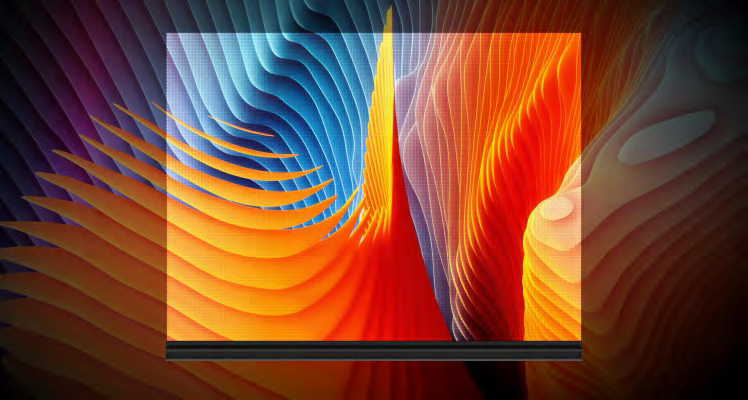
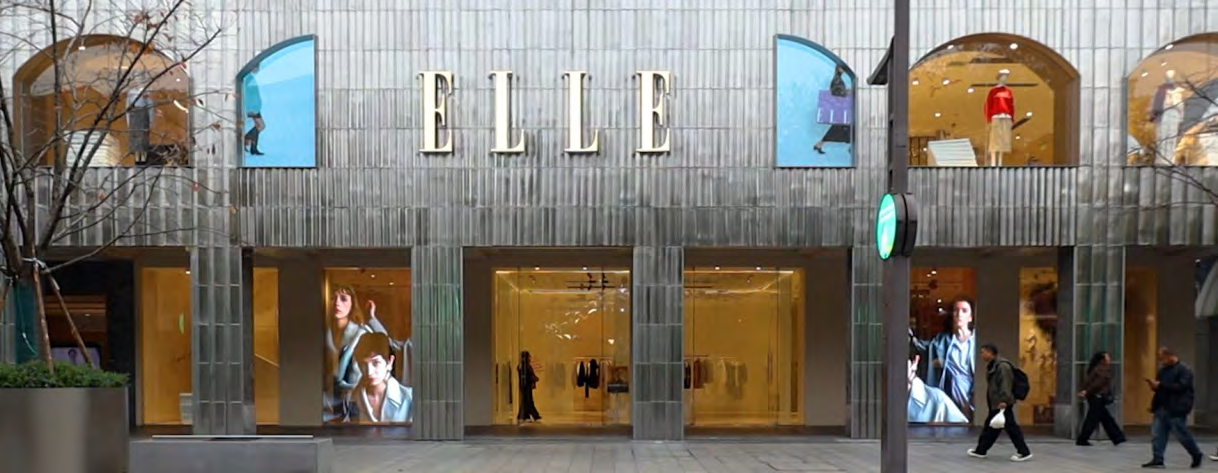
Bright enough for a daylit window
Output stays saturated against ambient light instead of washing out behind glass — the failure mode that rules out projection in a storefront.